

What’s in Your Water Bottle?
Anna Harrelson • June 11, 2025
Hydration, hormones, and why water alone might not be enough in midlife

If you’re chugging water all day but still feel puffy, tired, crampy, or thirsty—this post is for you. 💧
Hydration is about more than just how much water you drink. It’s also about how well your body holds onto that water, where it goes, and whether it’s helping your muscles, brain, and hormones function properly.
And for women in midlife, things shift. A lot. Let’s talk about why your hydration needs change—and what to do about it.
Estrogen, Aldosterone & Fluid Balance
Estrogen doesn’t just regulate your cycle—it influences electrolyte balance, thirst cues, and fluid retention.
When estrogen levels drop in perimenopause:
- You may lose more sodium and fluid through your kidneys
- You may feel more bloating or puffiness, even with water
- Your thirst cues become less reliable
- You may become more sensitive to dehydration and heat
This means that simply drinking more plain water might not help you feel better. In fact, if you’re not replacing electrolytes, you could dilute your body’s salt balance—and that can make you feel worse.
Signs Your Hydration May Be Off
- Some subtle signs that your fluid balance could use a boost:
- Headaches or afternoon fatigue
- Dizziness or lightheadedness when standing
- Muscle cramps or twitching
- Constant thirst despite drinking water
- Feeling bloated after water or meals
- Poor exercise recovery or temperature intolerance
Sound familiar? It’s not just in your head—it could be a signal your body needs more minerals, not just more water.
Enter Electrolytes: What & Why
Electrolytes—like sodium, potassium, magnesium, and chloride—help your cells absorb and use water properly. They’re also key players in nerve conduction, hormone signaling, blood pressure regulation, and energy production.
You don’t necessarily need a fancy powder (though some are great). You can start simple:
💡 DIY Electrolyte Mix:
- 8–12 oz water
- A pinch of sea salt (1/8 tsp)
- A squeeze of fresh citrus (lemon or lime)
- Optional: 1/2 tsp maple syrup or a few drops of trace minerals
This combo can help you:
- Rehydrate more effectively
- Reduce bloating or cramping
- Feel more energized, especially in the morning
Do You Need Electrolytes in All Your Water?
Nope—you don’t need electrolytes in all your water. But adding them strategically
can make a big difference in how you feel, especially in midlife.
Here’s when it helps most:
✅ First thing in the morning (you wake up a little dehydrated)
✅ During or after a sweaty workout
✅ On hot days or after sauna
✅ If you’re getting headaches, muscle cramps, or bloating
✅ When you're feeling that “tired but wired” stressy fatigue
✅ During perimenopause, when estrogen drops affect fluid regulation and salt sensitivity
If you’re sipping on water all day and still feel dry, puffy, or low-energy—that might be a sign you need some minerals with it.
But don’t overdo it.
Just 1–2 electrolyte-rich servings a day is usually plenty for most people. Your kidneys are smart—they’ll handle the rest!
Final Thoughts
Hydration in midlife is more nuanced than just "drink more water."
With hormonal shifts affecting how your body holds onto and uses water, a more strategic approach can go a long way—supporting energy, metabolism, cognitive function, and even sleep.
So go ahead—check what’s in your water bottle. A pinch of salt and a squeeze of citrus might just be the midlife magic you’ve been missing.
WonderCreek Health Blog
Midlife Female Hair Loss: What’s Actually Happening and How We Treat It
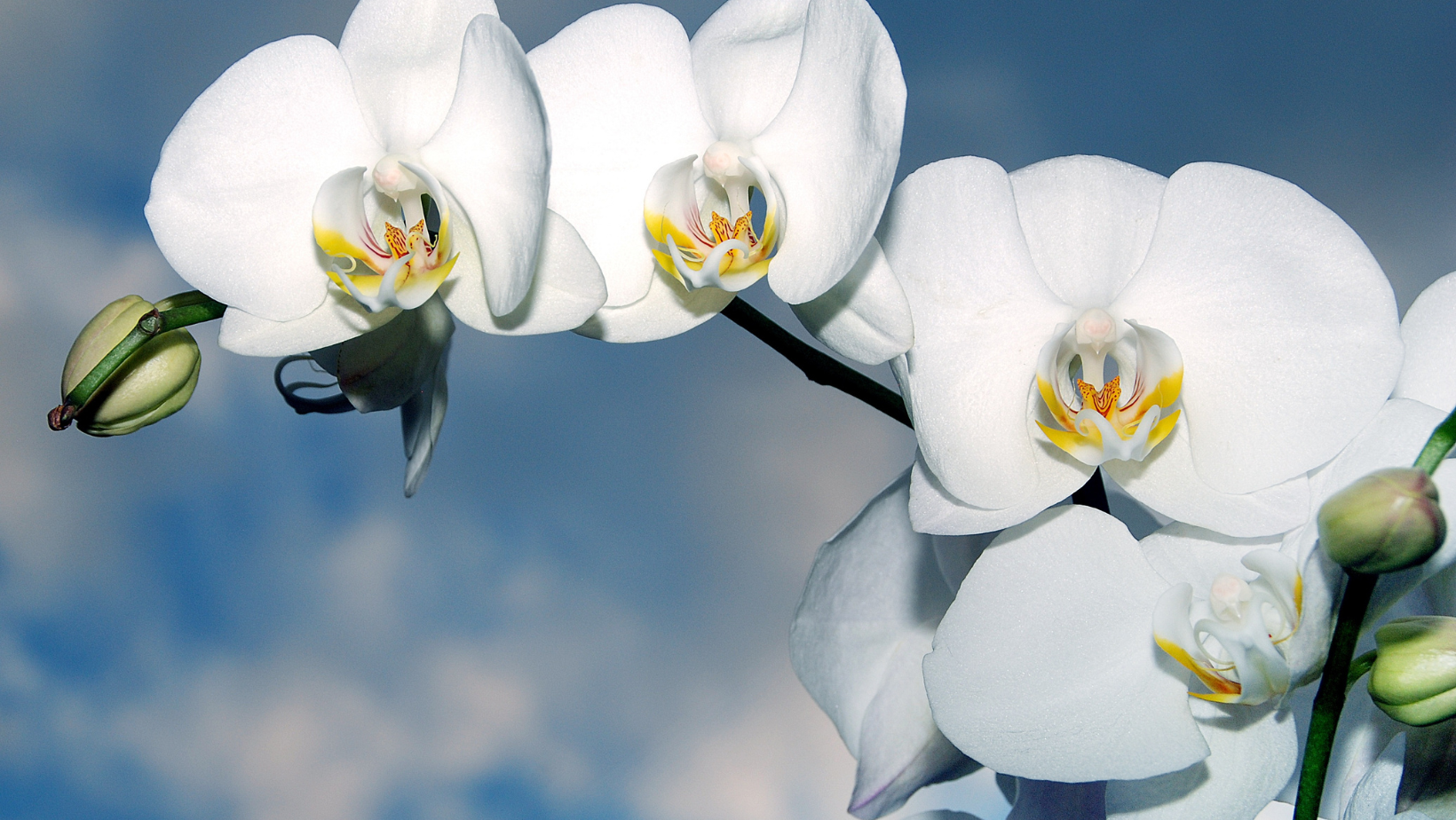
Many of the women who find their way to me share a common story: They’ve seen multiple specialists. Their labs are “normal.” Their symptoms are scattered across systems—joints, gut, mood, hormones, skin—and yet every provider focuses on one piece at a time, never the whole picture. They’ve often been told they’re anxious, dramatic, or “too sensitive.” And yet, they’re also some of the most intuitive, self-aware, and relentlessly curious patients I’ve ever met. They know their bodies. They know something isn’t right. And they won’t stop searching until someone finally sits down and helps them connect the dots. That’s where connective tissue disorders come in. What Do We Mean by “Connective Tissue Disorders”? When I talk about this group of conditions, I’m referring to women who often fall somewhere on the spectrum of: Hypermobility spectrum disorder (HSD) Ehlers-Danlos features Mast cell activation (MCAS) Endometriosis PMDD and other hormone sensitivities POTS or other dysautonomias The common thread? Their connective tissue is different—looser, more fragile, more reactive. And when the scaffolding of the body isn’t as stable, symptoms spill over into every system: joints, vessels, immune response, mood, hormones, digestion, even the brain. Why Midlife Feels Like a Breaking Point Estrogen has always been a stabilizer. It strengthens collagen, calms mast cells, and helps buffer the nervous system. So, it’s no surprise that perimenopause—when estrogen begins to fluctuate dramatically—can feel like the rug is being pulled out. I see women who: Once held things together with sheer willpower Managed PMDD, migraines, or endometriosis in their younger years Suddenly feel like everything has intensified: joint pain, bloating, histamine reactions, mood shifts, insomnia, brain fog For women with sensitive connective tissue and sensitive nervous systems, hormonal shifts don’t just cause hot flashes—they destabilize the entire body. Hormone Therapy for the Orchid Patient Many of my patients have tried hormones before. Sometimes birth control left them moody, swollen, or miserable. Sometimes a patch or pill was prescribed quickly, with no attention to how sensitive their system might be. So when they hear “hormone therapy,” they’re understandably hesitant. This is where my orchid theory comes in. Orchids are not weak flowers—they’re strong, beautiful, and resilient. But they need careful tending. They don’t thrive when thrown into the same soil or light as every other plant. They require patience, precision, and a slower hand. My connective tissue–sensitive patients are orchids. Their bodies respond to hormone therapy, but they need a methodical, gentle approach: Always bioidentical hormones Introduced slowly, step by step Carefully monitored, with adjustments made gradually Combined with lifestyle strategies to support the nervous system and reduce inflammation This is not a “one patch fits all” process. It’s a partnership. And when done thoughtfully, hormone therapy can bring profound relief and stability. Why Sensitivity Is a Strength The women I see are often neurodivergent—ADHD, autistic traits, or simply highly perceptive. They’re often told their sensitivity is a liability, but I see it differently. That very sensitivity is what helps them notice patterns others miss. It’s what fuels their curiosity to keep searching, even after being dismissed. Their intuition about their own bodies is spot on. Yes, their connective tissue is different. Yes, their mast cells fire more easily. Yes, their hormones seem to create more chaos. But these women are also some of the most resilient, resourceful, and insightful people I know. Moving Forward If you see yourself in this description, please know: You’re not “too sensitive.” You don’t have 27 different diagnoses—you have a pattern that makes sense. Hormones are not off the table for you—they may just need to be approached differently. Your lived experience matters as much as your lab results. This isn’t about fixing you—you are not broken. It’s about giving your body the tailored support it’s been asking for all along. This is just the beginning of a series I’ll be writing on connective tissue–related conditions: MCAS, PMDD, endometriosis, and more. Each deserves its own spotlight. But the first step is recognition. You deserve to be seen in your wholeness—not dismissed as “normal” when everything in your body is telling you otherwise.